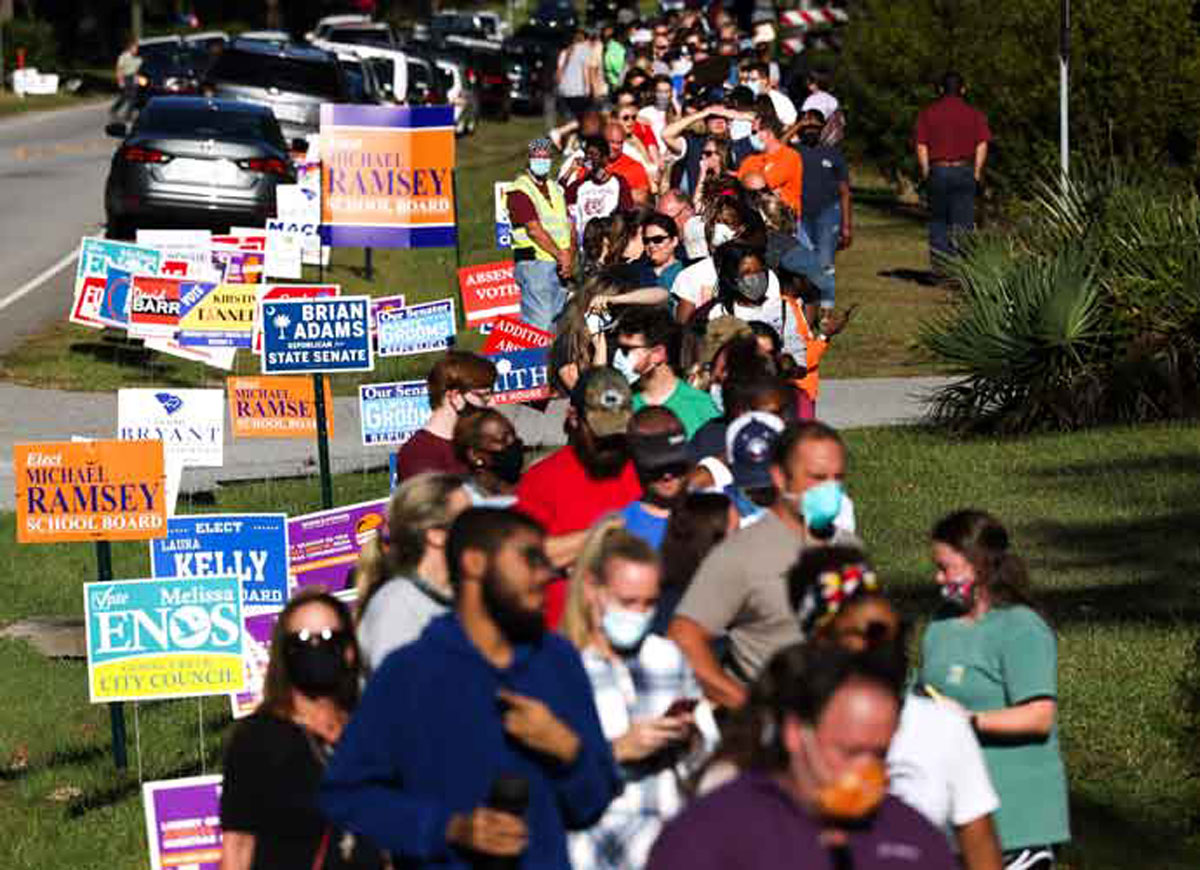
Nearly half of U.S. adults now say they do not identify with either major political party. This record-high share underscores Americans’ growing frustration with the two-party system and the volatility of national politics.
According to Gallup surveys conducted throughout 2025, 45% of Americans identify as political independents, the highest percentage the polling organization has ever recorded. By comparison, just 27% identify as Democrats and 27% as Republicans, continuing a multi-year pattern of weakened party affiliation.
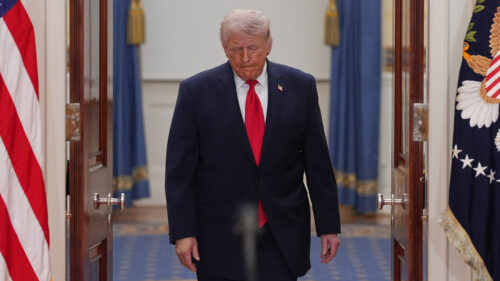
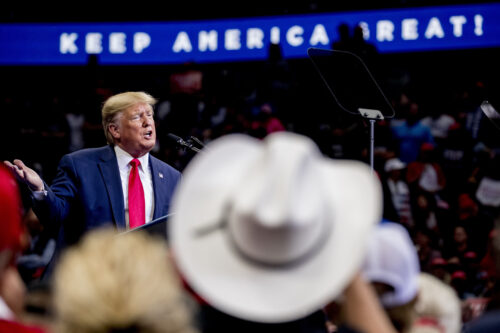
Recent polls have shown a sharp decline in support for President Donald Trump after he made significant inroads with many groups in the 2024 election.
Gallup noted that “in most years since Gallup began regularly conducting its polls by telephone in 1988, independents have been the largest political group,” but emphasized that the current levels mark a sharp departure from earlier decades. Independent identification has “increased markedly in the past 15 years,” regularly exceeding 40% — a threshold not reached prior to 2011.
Younger Americans are driving much of the shift. Majorities of Generation Z adults and millennials now identify as independents, and Gallup found the trend is persisting as those generations age.
“The higher rate of political independence also results from younger adults today being more likely than young adults in the past to identify as independents,” the analysis said. In 2025, 56% of Gen Z adults identified as independents, compared with 47% of millennials in 2012 and 40% of Gen X adults in 1982.
While independents often learn toward one party, Gallup found Democratic leaners gained ground over the past year. Among self-identified independents, Democratic leaners now outnumber Republican leaners by five percentage points. When party identifications and leanings are combined, “an average of 47% identified as Democrats or said they were independents who lean toward the Democratic Party, while 42% identified as Republicans or leaned Republican.”
The shift reversed a three-year Republican advantage and mirrors patterns seen during President Donald Trump‘s first term. Still, Gallup cautioned that the movement does not reflect renewed enthusiasm for Democrats.
“These party shifts do not indicate that Americans are warming to the Democratic Party,” the organization said, noting that both parties’ favorability ratings remain historically weak.
Ideological identification also narrowed in 2025. Although conservatives continue to outnumber liberals, Gallup reported that “the seven-point conservative advantage over liberals in 2025 is the smallest Gallup has measured in annual averages dating back to 1992.” Independents remain the ideological middle, with 47% identifying as moderates, while Democrats and Republicans have grown increasingly polarized.
Gallup concluded that dissatisfaction with the incumbent president continues to drive partisan movement.
“Negative evaluations of the president’s performance appear to persuade a subset of Americans, primarily political independents who have weaker attachments to either party, to side with the opposition party,” the analysis noted.

Europa Monitor is a seasoned News Editor with over a decade of experience in journalism. Known for his editorial expertise and commitment to accuracy, Europa Monitor leads teams to deliver high-quality news content.