The UK is being urged to “pause” a new travel scheme for people visiting Britain.
The electronic travel authorization (ETA) is a digital permission to travel to the UK which came into force on 25 February. Most people who have been able to travel to the UK visa free until now will need an ETA.
The new rules apply to people from 85 different countries. Once approved, an ETA will allow someone to stay in the UK for up to six months. It will be valid for two years, or until that individual’s passport expires, and allows multiple journeys to the UK.
The visit can be for things like tourism, business or short-term study.
But campaigners say the new rules are causing major problems for people with dual nationality. The UK government has taken all necessary measures to “avoid complications”.
It is said that, under the rules, dual nationals risk being denied boarding if they do not present a British passport, current or expired, or a “certificate of entitlement”, costing £589, attached to the passport of their second nationality, to prove their right to enter the UK.
Monique Hawkins is Head of Policy and Advocacy at the UK-based campaign group, “the3million”, a grassroots citizen’s group.
She spoke to this website about the scheme and reported problems for dual nationals in particular.
Hawkins said: “We wrote a letter to the UK Home Office last week – asking for them to postpone the rollout and consider these Canadian style workarounds.
“We’ve just received a response from the Home Office which strongly doubles down on their position, and does not engage at all with our recommendations.”
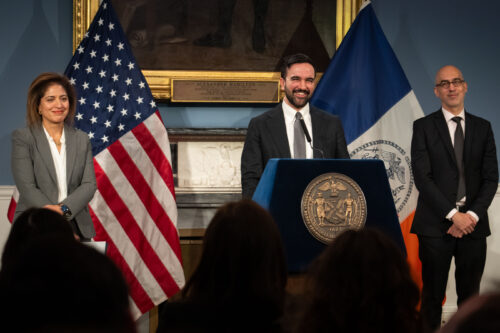
The reply from Mike Tapp, minister for migration and citizenship, seen by this website and dated 26 February, cautions: “If a British citizen seeks to travel to the UK without a British passport, airlines will likely be unable to verify their status as a British citizen, resulting in possible delay and refusal of boarding.”
It goes on: “We recognize that the introduction of the ETA is a substantial change for British dual citizens of ETA eligible nationalities. That is why we encouraged British citizens in this position to make the necessary arrangements, to avoid complications when travelling to the UK after 25 February.”
“Recognising the potential impact on dual British nationals, we have issued temporary operational guidance to carriers on the acceptance of alternative documentation. This includes carriers accepting, at their discretion, an expired UK passport (issued 1989 or later) alongside a valid non-visa national third country passport, where biographic details match. This is a short-term transitional measure and remains an operational decision for carriers.”
The letter adds: “The UK Government has introduced electronic travel authorisations (ETAs) as part of our wider plans for a more secure, fully digital UK border. ETAs have been introduced to enhance our ability to screen travellers upstream and prevent people who may pose a threat from travelling here.”
Hawkins told this site, though, that there are still concerns about the new travel rules.
She said: “We have warned for years about the impact of strict ETA enforcement on two cohorts: dual British nationals who do not have a British passport, and migrants resident in the UK whose only proof of status is a digital eVisa.”
She added: “For eVisa holders our concerns are due to persistent data quality issues in UK Home Office eVisa databases.
“Regarding British dual nationals who do not have a British passport, the Home Office has not done enough to warn them of the serious impact this will have. Many British citizens will now face real barriers simply to travel to their own country. A last-minute concession that people can show an expired British passport will not work for those who never had a British passport. Similarly, emergency travel documents are not available for those who never had a British passport. In fact, applying for a first British passport is not straightforward, especially from abroad.”
She went on: “The Home Office should urgently hit the pause button, as Canada also did when it implemented its eTA scheme in 2016, and take the time to implement a fair, common sense workaround for its own citizens – again just like Canada did. Canada’s approach has been cited as best practice by international standards organizations.”
Hawkins noted: “Quite simply, dual nationals without a British passport should be able to get a low-cost, one-off travel authorisation.
“The UK already has all the technology in place to implement this. We call on the Home Office to act urgently to make sure British citizens are not barred from travelling to their own country,” she said.
The Guardian newspaper in the UK last week reported Mr Mike Tapp as saying: “I am clear that there has been no mishandling from the Home Office on this important issue. This has been on the government website since 2024.
“We have also spent significant sums of money on getting the message out there,” the paper reported him as saying.

Europa Monitor is a seasoned News Editor with over a decade of experience in journalism. Known for his editorial expertise and commitment to accuracy, Europa Monitor leads teams to deliver high-quality news content.