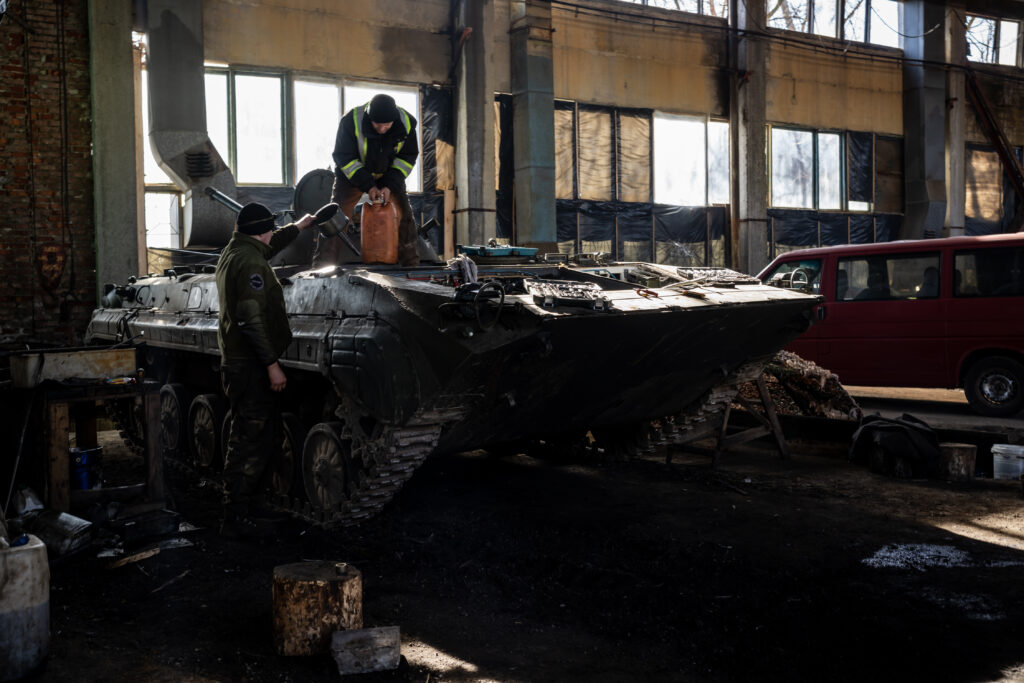
The energy crisis set off by the U.S.-Israeli attack on Iran is threatening Kyiv’s fuel supplies and its war effort.
Two soldiers on the ground in Ukraine told POLITICO that the latest price shocks are hurting their fuel reserves for combat vehicles like tanks, artillery, and armored personnel carriers.
“The fuel prices are terrible,” said one senior Ukrainian soldier with knowledge of the matter, who spoke on the condition of anonymity because they are not authorized to speak to the media. “Even in the armed forces we are very limited in fuel right now.”
Another soldier explained how diesel is prioritized for combat units fighting the creeping Russian advance in the country’s east, where heavy fighting concentrated in the Donbas region continues to rage.
“[We’re] not on the front,” he said of his location. “So we aren’t a priority … our tanks and other shit aren’t moving around a lot so there’s less of a priority to send us diesel than say other units.”
Both described rationing, though they added the situation was not dire. Gas prices for Ukrainian civilians have also skyrocketed, stoking inflation and bills at filling stations for a population already under daily Russian assaults.
Since Iran blockaded the Strait of Hormuz — the narrow waterway that transits over 20 percent of the world’s crude oil and liquefied natural gas — oil prices have spiked as high as $120 per barrel, leading to fears of a global recession.
Still, a spokesperson for the Ukrainian energy ministry said in an emailed response that there was “no fuel shortage on the Ukrainian market,” adding: “The Ukrainian government, in collaboration with market participants, continues to diversify supply routes to maintain adequate levels of fuel for the needs of the Armed Forces, industry, and the general public.”
In mid-March, Ukraine’s energy minister told lawmakers the country currently imports about 85 percent of its fuel from abroad, leaving it heavily dependent on outside providers in Europe and the U.S.
The ministry explained its “first priority is uninterrupted supply for the Armed Forces and emergency services,” then the agricultural sector. The “general public” and other businesses are given supplies last, they said, reiterating that the “situation remains under control.”
John Helin, an analyst and founder at private intelligence organization Black Bird Group, said while Kyiv is guarded in its public statements on fossil fuel reserves for its military, since the Iran war began there have been reasons to worry.
“Public information is limited, and more precise information is, naturally, not available,” said Helin, stressing that the longer the Iran war continues, the more “rising energy prices would be felt in Ukraine’s budget.”
Lately, Ukraine’s public coffers have been suffering from the strains of war and a regional spat.
President Volodymyr Zelenskyy has been sparring with Hungary and Slovakia over their demand that Kyiv fix the Soviet-era Druzhba pipeline, which until it was bombed in January had pumped Russian oil across Ukraine to both neighboring countries. Until Ukraine fixes the breach, Hungarian Prime Minister Viktor Orbán has vowed to continue using his veto in Brussels to thwart a €90 billion EU loan to Ukraine to meet its financial and military needs.
New allegations that Hungary’s foreign minister leaked information to Russia during an EU meeting of ministers have also rattled the bloc. The senior Ukrainian soldier cited above said it feels as if Orbán “is doing his best to let us run out of [money].”
“Even with continued Western financial support,” Helin said, “a further shock to energy prices would naturally increase costs for Ukraine and put further strain on the Ukrainian economy.”
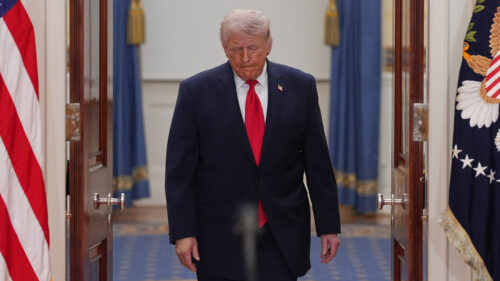
The Kremlin, on the other hand, is currently benefitting from surging oil prices, while U.S. President Donald Trump has announced temporary sanctions relief for Russia and its ally Iran in a broader attempt to buoy plunging markets.
“The situation is already creating space for a renewed discussion in parts of the West about easing pressure on Russia,” Helin said. “Should this discourse gain further traction, it could be more damaging to Ukraine’s war effort than energy prices alone.”

Europa Monitor is a seasoned News Editor with over a decade of experience in journalism. Known for his editorial expertise and commitment to accuracy, Europa Monitor leads teams to deliver high-quality news content.