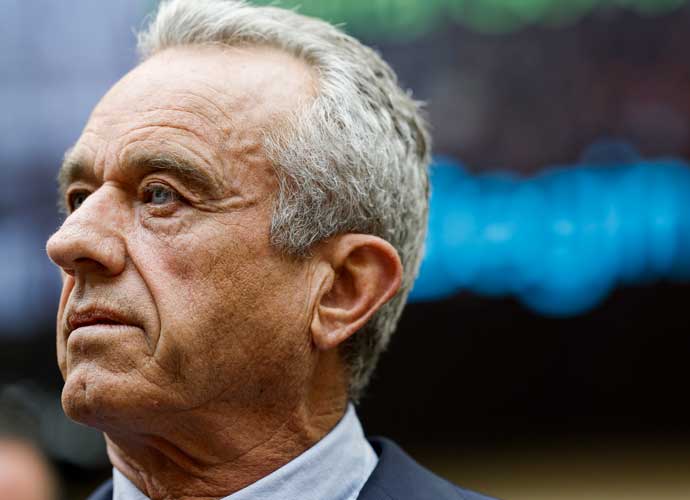
Health and Human Services Secretary Robert F. Kennedy Jr. amplified a controversial claim this week when he told a crowd that a ketogenic diet could cure schizophrenia, a statement experts say is unsupported by current science.
Since assuming office, Kennedy has voiced unorthodox views on medical treatments and vaccines.
Speaking at the Tennessee State Capitol as part of a national effort to promote new federal dietary guidelines, Kennedy said the American diet contributes to mental illness.
“We now know that the things that you eat are driving mental illness in this country,” he told the audience. He went on to say that “a doctor at Harvard cured schizophrenia using keto diets,” and that he had seen studies showing people can lose a bipolar diagnosis through diet changes.
The claim drew immediate pushback from psychiatrists, who said it exaggerated what limited research shows. Columbia University psychiatrist Mark Olfson told The New York Times, “There is currently no credible evidence that ketogenic diets cure schizophrenia.”
Kennedy’s comments appeared to reference a 2019 case report by Harvard psychiatrist Christopher Palmer, which described two individuals with longstanding schizophrenia whose symptoms went into remission after adopting a ketogenic diet.
The report noted that both patients “were able to stop antipsychotic medications and have remained in remission for years now,” but did not conclude that the diet was a proven cure.
Palmer has since stressed that ketosis should be viewed as a metabolic intervention, not a definitive cure. In an interview reported in Scientific American, he said that while he appreciates interest in the research, he has “never claimed to cure schizophrenia” and does not use that term in his work.
The ketogenic diet is high in fat and low in carbohydrates. It has established benefits in treating certain seizure disorders and may offer metabolic advantages, but its effects on psychiatric conditions remain under study. Small pilot projects have shown potential to reduce some symptoms, but larger, controlled trials are needed before firm conclusions can be drawn.
Mental health professionals emphasize that antipsychotic medications remain the frontline treatment for schizophrenia and related disorders. These drugs act on neurotransmitter systems to reduce hallucinations and delusions, though they carry risks such as weight gain and metabolic side effects.
Critics warn that overstating dietary research risks misleading patients and families seeking effective treatment options. While nutrition may one day play a supportive role in managing mental illness, current evidence does not support the view that changing one’s diet can cure schizophrenia.

Europa Monitor is a seasoned News Editor with over a decade of experience in journalism. Known for his editorial expertise and commitment to accuracy, Europa Monitor leads teams to deliver high-quality news content.