The Trump administration said it will immediately withdraw about 700 federal immigration enforcement officers from Minnesota, White House border czar Tom Homan announced Wednesday, though roughly 2,000 personnel will remain.
Homan said the drawdown in Operation Metro Surge was made possible by what he described as “unprecedented collaboration” between federal and local officials, particularly in allowing Immigration and Customs Enforcement (ICE) to take custody of noncitizens from county jails before their release.
“Given this increase in unprecedented collaboration, and as a result of the need for less public safety officers to do this work and a safer environment, I am announcing, effective immediately, we’ll draw down 700 people effective today — 700 law enforcement personnel,” Homan said at a news conference.
Homan said the goal remains a full withdrawal of federal immigration agents from Minnesota.
However, it depends on continued cooperation from local law enforcement and a reduction in what he described as threats and interference with federal operations.
“My goal, with the support of President Trump, is to achieve a complete drawdown … but that is largely contingent upon the end of the illegal and threatening activities against ICE and its federal partners that we’re seeing in the community,” he said.
The reduction follows months of controversy in the Twin Cities over the federal presence. Thousands of immigration officers were deployed late last year and into early 2026 as part of an expanded enforcement operation that drew protests and heightened tensions after two U.S. citizens, Alex Pretti and Renee Good, were fatally shot by federal officers during unrelated incidents.
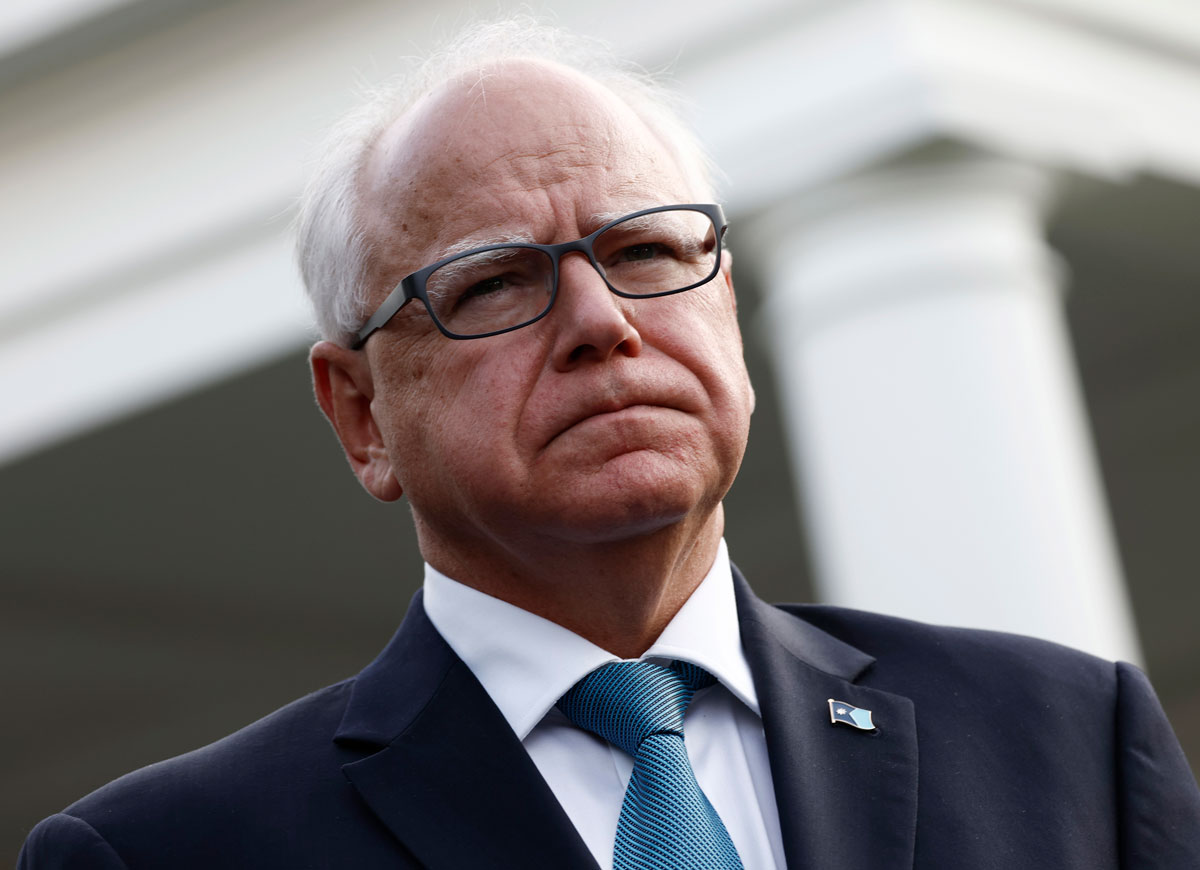
State and local leaders welcomed the announcement but said it does not go far enough. Minnesota Gov. Tim Walz said on social media that while the drawdown is “a step in the right direction,” officials need a “faster and larger” reduction of forces, state-led investigations into the killings and an end to what he called a “campaign of retribution.”
Minneapolis Mayor Jacob Frey said Homan’s plan to reduce personnel and the recent shift requiring body-worn cameras for federal agents are positive moves, but he said the presence of roughly 2,000 officers in the state still does not represent de-escalation.
“The drawdown and body-worn cameras are a step in the right direction, but 2,000 ICE officers still here is not de-escalation,” Frey said in a city statement.
Homan also said the administration will not reduce personnel who provide security for federal officers or respond to hostile incidents, a point he underscored as key to keeping agents safe amid protests and roadblocks that have sprung up in parts of the Twin Cities.
The reduction represents about one-quarter of the federal personnel deployed in Minnesota since Operation Metro Surge began. Local officials and advocacy groups continue to push for a complete end to the federal operation.

Europa Monitor is a seasoned News Editor with over a decade of experience in journalism. Known for his editorial expertise and commitment to accuracy, Europa Monitor leads teams to deliver high-quality news content.