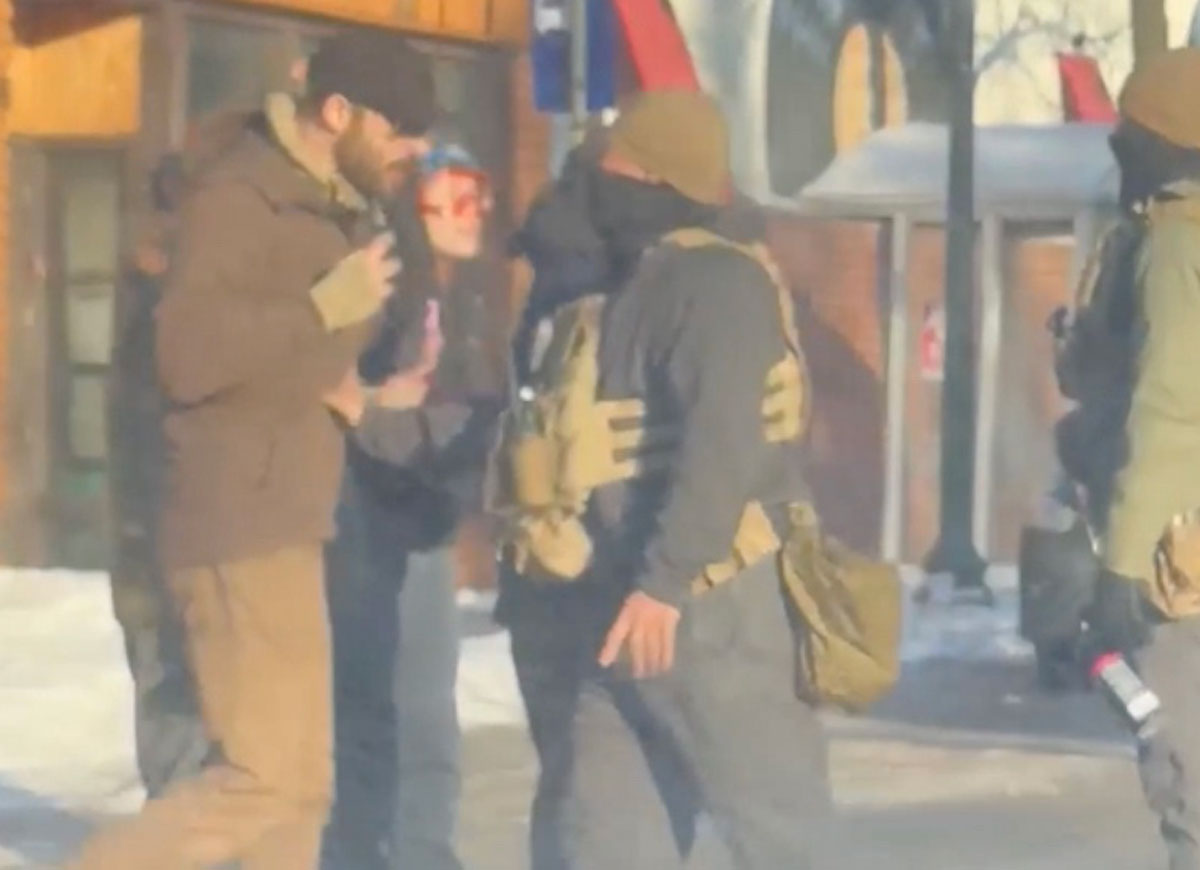
Acting Immigration and Customs Enforcement (ICE) Director Todd Lyons stood before the House Homeland Security Committee on Tuesday and defended his agency’s enforcement actions in the face of intense scrutiny after the deaths of two U.S. citizens at the hands of federal officers. Lyons insisted that his agents would not be deterred and rejected demands for an apology or accountability for the controversial shootings.
“Let me send a message to anyone who thinks they can intimidate us. You will fail,” Lyons told lawmakers, blaming local officials and protesters for heightening tensions and endangering federal officers.
The hearing was called in response to the January killings of Minneapolis residents Renee Good and Alex Pretti during immigration enforcement operations.
Both deaths have drawn national outrage and calls for reform of federal immigration policy.
Lyons, flanked by U.S. Customs and Border Protection Commissioner Rodney Scott and U.S. Citizenship and Immigration Services Director Joseph Edlow, faced members of both parties but was pressed most sharply by Democrats.
Ranking member Rep. Bennie Thompson (D-Mississippi) called the session a critical moment for accountability, saying earlier that “the slaying of Ms. Good and Mr. Pretti by DHS are the most tragic examples of what is wrong with Trump’s DHS.”
When asked directly whether he would apologize to the victims’ families, Lyons declined, saying he would not comment on ongoing investigations. “I’m not going to speak to any ongoing investigation,” he said.
The debate also touched on transparency. Scott said federal officers face what he called an “unprecedented level of aggressive interference and intimidation” in the course of their duties and insisted the protests against them were not peaceful.
“No law enforcement officers should be put at personal risk simply for doing the job that we have asked them to do,” Scott said.
Beyond questions of apology, lawmakers pressed Lyons on other reforms. Some Democrats urged mandatory body cameras for all agents and limits on officers wearing masks, a point Lyons did not endorse at the hearing.
Republicans largely supported the continuation of current enforcement and Lyons’s stance, though a few acknowledged the need for clearer communication with local authorities.
In a rare moment of intra-party criticism, Rep. Michael McCaul (R-Texas) said that a former Border Patrol commander’s approach had “escalated the situation” in Minneapolis, highlighting some concern within the GOP about tactics used in the operations.
Lyons also reiterated the Trump administration’s commitment to its broader immigration enforcement agenda. “We are only getting started,” he said in his opening remarks, emphasizing the long-term nature of the agency’s mission.
With funding for the Department of Homeland Security set to expire soon, the hearing underscored how immigration policy and enforcement tactics remain deeply divisive on Capitol Hill.
Democrats are pushing for restrictions on federal agents as a condition of new funding, while Republicans insist that strong enforcement is essential to national security.

Europa Monitor is a seasoned News Editor with over a decade of experience in journalism. Known for his editorial expertise and commitment to accuracy, Europa Monitor leads teams to deliver high-quality news content.