PARIS — Security has always been a main reason Moldova wanted to join the European Union. Now, the country is arguing that it can make the EU safer too.
“Moldova’s accession is often described as a security guarantee for our country — and it is,” Cristina Gherasimov, Moldova’s deputy prime minister for European integration, told POLITICO. “But it is equally a strategic investment in Europe’s own security.”
Wedged between Romania and Ukraine on the bloc’s eastern edge, the small Eastern European country has become a testing ground for Russia’s hybrid warfare — and the best ways to counter it.
“We bring something unique to the table,” Stanislav Secrieru, the Moldovan president’s national security adviser, told POLITICO. “Hard-won knowledge and field-tested solutions to Russian hybrid threats.”
The Moldovan government accuses Moscow of having waged large-scale election interference campaigns and destabilization efforts ahead of key votes in 2024 and 2025. It says the Kremlin’s tactics ranged from vote-buying to cyberattacks on critical infrastructure to the use of troll farms to spread misinformation. Moscow has denied interfering in the elections.
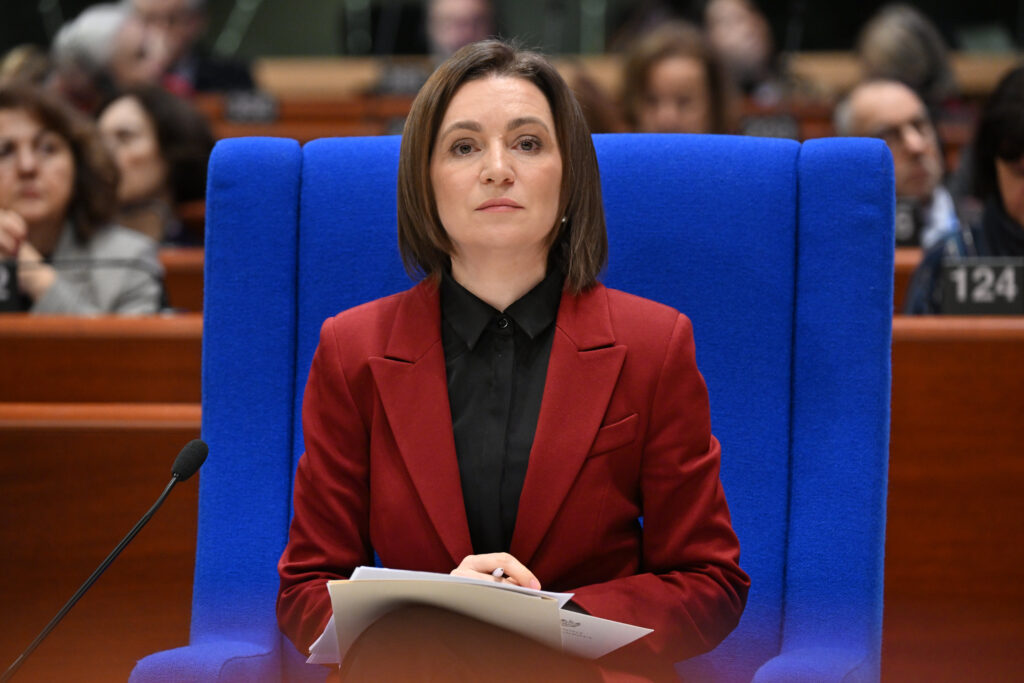
The country is “the canary in the coal mine” for the tactics Moscow deploys elsewhere, said Olga Rosca, foreign policy and EU affairs adviser to Moldovan President Maia Sandu. “Elections are the easiest entryway for Russia.”
Moldova also dismantled a cross-border network that trained young men and women in secret camps in Bosnia and Serbia to carry out alleged Russia-backed destabilization operations in France and Germany. Participants were taught how to fly drones, handle incendiary devices and evade law enforcement during protests, according to a POLITICO investigation.
Secrieru said Moldova had shared the lessons learned from successfully countering the Kremlin with “EU member states facing elections this year and next.”
“Moldova has — through trial and error — tested and successfully implemented counter-strategies,” he said. “We can share expertise on countering illicit finance, fighting disinformation, cybersecurity, and protecting the integrity of electoral processes.”
Hungary is holding a vote next week that Moscow and Brussels see as key to determining whether the country will tilt to Moscow or cleave closer to the EU. Next year, France, Italy, Spain and Poland are expected to hold elections.
French authorities say they detected low-level Russian-backed disinformation campaigns ahead of municipal elections in March. They have warned of a high risk of interference in next year’s presidential election. Disinformation campaigns and other hybrid war operations are likely to favor populist movements, including the top-polling far-right National Rally, which has historically been friendly to Russia.
In a document shared with EU officials shortly after last year’s Moldovan parliamentary election and seen by POLITICO, the government argued that the path to joining the EU was narrow.
The victory by pro-European parties last year offered “a window of opportunity,” the document read. “However, failure to exploit it and consolidate the win … may result in a massive shift towards populists which would favor Russia’s interests. In turn, it will have far-reaching security consequences for the region.”
Sandu has been touring EU capitals to make the case why the bloc should admit her country. The EU has linked Chișinău’s bid to join with Kyiv’s, and formal negotiations with both are stalled due to opposition from Hungarian Prime Minister Viktor Orbán to Ukraine’s accession.
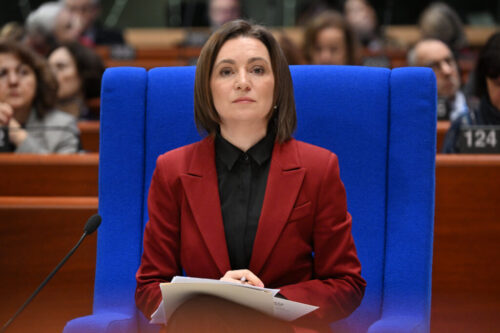
In a speech to the Latvian parliament on Wednesday, Sandu pitched Moldova’s integration as a matter of “strategic coherence” — arguing that leaving countries like hers outside the bloc would be a gift to the Kremlin.
“A Europe that is serious about its security must be serious about its Eastern neighborhood,” she said. “It cannot support Ukraine with one hand while leaving democratic nations in gray zones with the other. And it cannot warn its citizens about the forces working to divide them while leaving those forces a ready target just outside its borders.”

Europa Monitor is a seasoned News Editor with over a decade of experience in journalism. Known for his editorial expertise and commitment to accuracy, Europa Monitor leads teams to deliver high-quality news content.