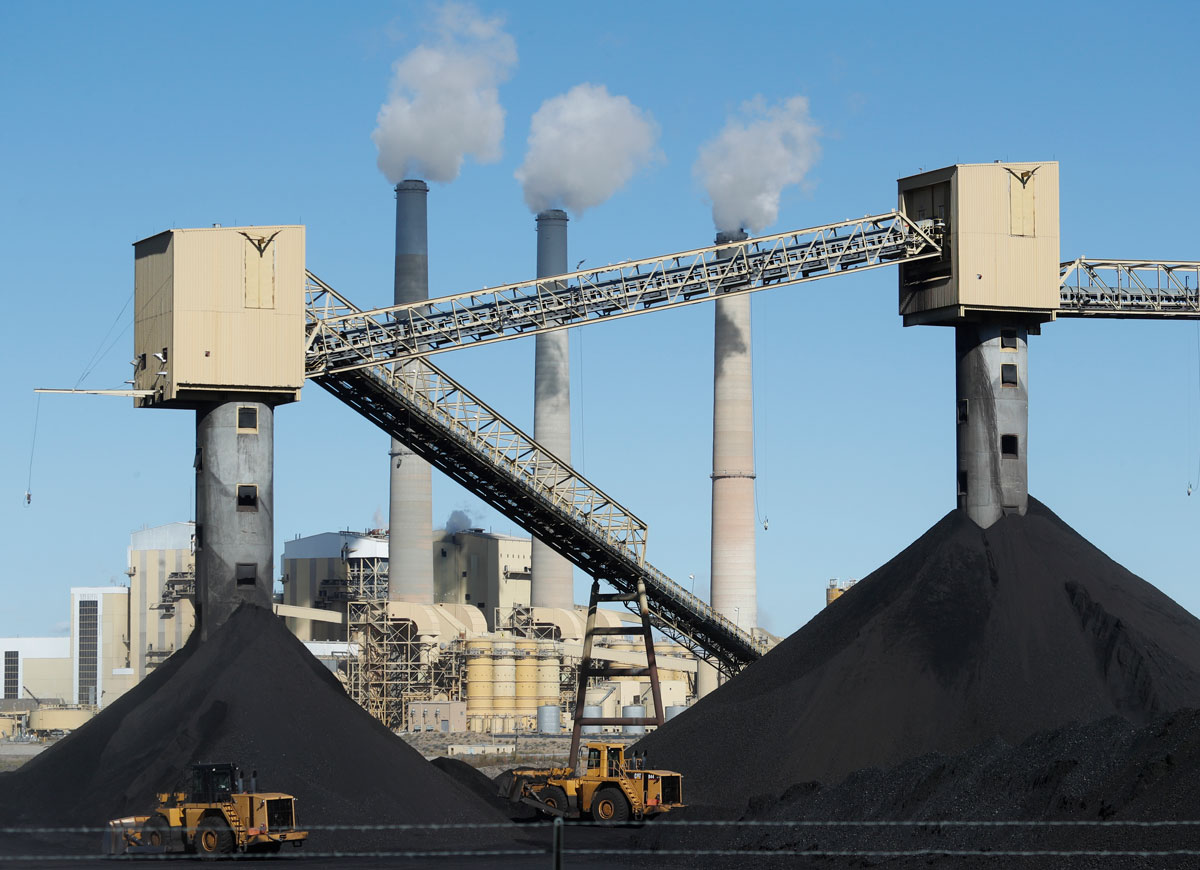
President Donald Trump signed an executive order directing the Department of Defense to negotiate long-term contracts to purchase electricity generated by coal-fired power plants, a bold effort to revive an industry that has steadily lost market share in recent years.
The Trump administration has waged war on renewable energy and strongly favored carbon-heavy sources like coal during its first year in office.
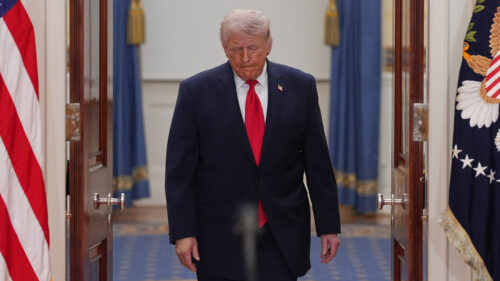
Speaking in the White House East Room, Trump said the move would strengthen the nation’s electrical grid. “We’re going to be buying a lot of coal through the military now, and it’s going to be less expensive and actually much more effective than what we have been using for many, many years,” he said.
The measure, presented at an event dubbed the “Champion of Coal,” directs the Defense Department — referred to in the text as the “Department of War” — to prioritize long-term power purchase agreements with U.S. coal plants that Trump and administration officials characterize as vital to national security and grid reliability.
Trump also used the occasion to highlight federal support for coal plants facing closure. He said he was “directing the Department of Energy to issue funds to coal plants in West Virginia, Ohio, North Carolina and Kentucky to keep them online and keep those plants open.”
Supporters at the event praised Trump’s backing of coal communities and jobs. Peabody Energy CEO James Grech presented the president with a symbolic trophy and said, “Sir. Just to show our appreciation … the trophy says the undisputed champion of beautiful, clean coal.”
Administration officials argue the directive bolsters energy security by ensuring reliable, on-demand baseload power for military bases and critical infrastructure. The White House fact sheet accompanying the order said the policy will help prevent blackouts and enhance grid resilience.
But critics immediately condemned the plan as misguided and costly. Laurie Williams, director of the Sierra Club’s Beyond Coal Campaign, called the effort a “bailout” for the coal industry that would burden families with higher energy costs and increased pollution.
“Rather than helping people with their crippling electrical bills, Donald Trump is illegally bailing out his coal industry buddies with precious taxpayer dollars,” she said.
Julie McNamara of the Union of Concerned Scientists criticized the order as a misuse of limited energy resources. “Reality doesn’t lie: coal is a rapidly dwindling relic of the past, not a solution for the future,” she said in a statement.
The coal sector has faced decades of decline as natural gas and renewable sources such as wind and solar have become cheaper and more widespread.
Government data show coal’s share of U.S. electricity generation has fallen markedly over the past two decades, raising questions about the long-term viability of efforts to revive the industry.
Environmental and policy experts warn that the new directive could saddle the military with high-cost contracts and slow investment in cleaner energy infrastructure, even as climate scientists warn that coal combustion remains one of the largest sources of carbon emissions.

Europa Monitor is a seasoned News Editor with over a decade of experience in journalism. Known for his editorial expertise and commitment to accuracy, Europa Monitor leads teams to deliver high-quality news content.