BRUSSELS ― The European Parliament is refusing to negotiate the bloc’s next €1.8 trillion long-term budget until EU countries agree on the overall size of the gargantuan cash pot.
MEPs’ demands would force the Council to rip up its schedule and delay the start of formal negotiations until 2027.
Critics warn that the Parliament’s strategy, which was laid out in an internal document seen by POLITICO, risks pushing an agreement on the EU budget to the last possible moment
A last-minute deal risks postponing crucial payouts worth billions to European farmers and poorer regions from the EU’s next budget, beginning in 2028, according to two EU diplomats.
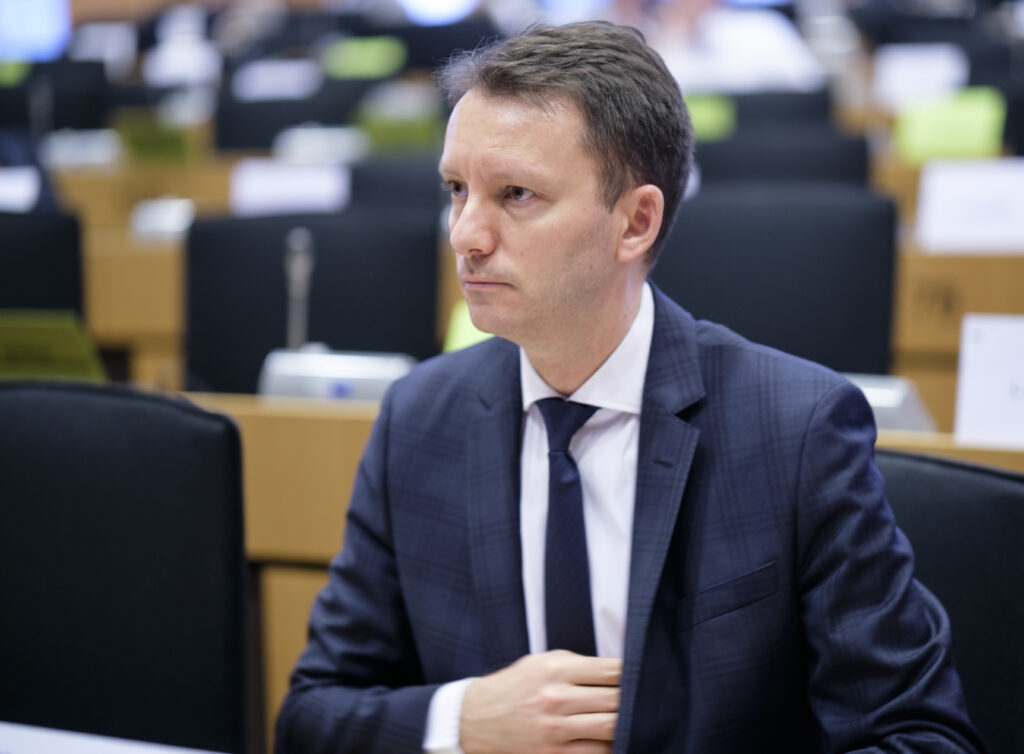
The Parliament’s chief negotiator is undeterred. “We will not start trilogues with Council on the sectoral legislation before we have an agreement on the budget and certainty on the amounts,” lawmaker Siegfried Mureșan, from the conservative European People’s Party, told POLITICO.
The EU budget, formally known as the Multiannual Financial Framework (MFF), is one of the most political files in Brussels. Every seven years, EU governments agree to put slightly more than one percent of their gross national income into a common pot that the European Commission disburses across the bloc, spending on anything from farmers’ subsidies to defense procurement.
The Commission’s budget proposal for 2028 to 2034 envisages unprecedented funding for defense and strategic technologies to allow the bloc to compete with the U.S. and China.
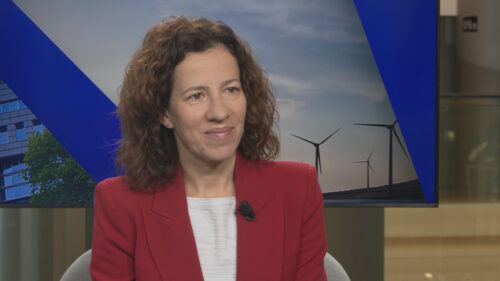
Parliament has criticized the Commission’s blueprint, which merges different programs and cuts agricultural funding. Mureșan and Socialists and Democrats MEP Carla Tavares, another top negotiator for the Parliament, are trying to increase their leverage in the talks with EU capitals.
In previous negotiations, EU governments left the most difficult topic, the money attached to each budget item, for last. This time, the Parliament is turning that strategy on its head, to avoid making early concessions on the budget’s overall structure before its size is agreed.
The Parliament is primed to demand a 10 percent increase on the Commission’s proposed budget size, according to a document outlining MEPs’ positions, which will be voted on by plenary at the end of April.
MEPs believe they can get a greater say on the budget’s size by threatening to put the negotiations on hold. But the strategy is unlikely to change the minds of Germany and the Netherlands, which want to reduce EU payouts.
“If the member states expect to do more on protecting order, on energy security, on food security … then the Union needs adequate resources,” Mureșan told reporters earlier this week.
Time is money
Budgetary negotiations require a fine balancing act, especially considering that the EU’s next cash pot has shifted tens of billions toward new priorities.
Parliament and Council usually negotiate the fine print of the budget’s policies, spanning agriculture to regional funding, early on in the process. Discussions surrounding money are kept on a separate track.
Parliament formally has no say over the size of the budget, which EU leaders usually leave until the very end, as it is the most sensitive. Mureșan and Tavares are suggesting a different timetable to avoid being sidelined again.
Top lawmakers working on the budget agreed on March 10 that they will only start sectoral negotiations after the Council agrees on the figures, according to notes of the meeting seen by POLITICO. In their view, this will allow them to ramp up the pressure on national capitals.
Pro-EU forces are keen for the Council to secure an agreement on the size of the budget before the French presidential election takes place in spring 2027, as they might usher in a far-right government.
European Council President António Costa aims to reach a deal on the budget by December 2026, which would be record timing compared to previous negotiations. But officials privately admit that March 2027 is a more realistic timing for a Council deal.
“Given the upcoming elections in some of the largest member states of the Union in 2027, an agreement in 2026 is preferable,” Mureșan said.

Europa Monitor is a seasoned News Editor with over a decade of experience in journalism. Known for his editorial expertise and commitment to accuracy, Europa Monitor leads teams to deliver high-quality news content.